For Men Who Are Wondering
Do You
Recognise
Yourself?
Many men who come to MEN Who Heal didn't think they had an eating disorder. They just knew something was wrong.

Do You Recognise This?
What a Male Eating Disorder
Actually Looks Like
Male eating disorders rarely look like the image most people carry. They may look like obsessive exercising, rigid food rules, or spending hours convinced that if you could just get your body right, everything else would fall into place.
•
You think about food or your body for hours every day — what you've eaten, what you shouldn't have, what your body should look like
•
You set rules around food and feel intense shame or guilt when you break them
•
You eat in secret — bingeing when alone, hiding food, disposing of evidence
•
Exercise feels compulsive — something that controls you rather than something you choose
•
You believe your real life will begin when your body looks right
•
You have never told anyone the full truth about your relationship with food and your body
•
You suspect this isn't really about food — but you don't know what it is about
Common Myths
What Men Believe — and What Is Actually True
The Myth
"Eating disorders only happen to women."
The Myth
One in three people with an eating disorder is male. The myth exists because research was designed around women.
The Myth
"If I really had an eating disorder, I'd be underweight."
The reality
Most men with eating disorders are not underweight. Suffering is not measured in kilograms.
The Myth
"Obsessing over the gym is just discipline."
The reality
When discipline becomes compulsion — when missing a workout creates panic — this is a disorder dressed in culturally approved clothing.
The Myth
"Seeking help means I'm weak."
The reality
Choosing to stop fighting alone is one of the harder things a man can do.
Forms it takes
Eating Disorders in Men
Take Many Forms
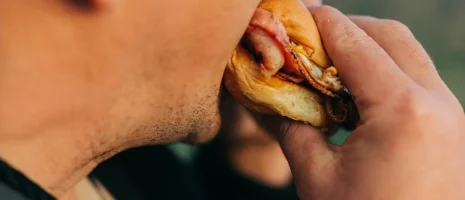
Binge Eating Disorder
The most common eating disorder in men — episodes of consuming large quantities in secret, with intense shame.

Bulimia Nervosa
Cycles of bingeing followed by purging — maintained in absolute secrecy for years.

Anorexia Nervosa
In men, often presents as a drive for leanness — which is why it is so often missed by clinicians.

Muscle Dysmorphia
Obsessive preoccupation with not being muscular enough — celebrated by male culture, invisible as a disorder.

Orthorexia
An obsession with eating perfectly — in men, framed as health-consciousness.

Disordered Eating
You don't need a diagnosis. If your relationship with food is causing you suffering — that is enough. You are enough.
Get In Touch
"I don't know if what I have counts as an eating disorder" is one of the most common things men say when they first get in touch.
It counts. You count. Reach out.
We respond within 24 hours. Everything is completely confidential.